
Silvana Azzi Heras: The Drama of Design
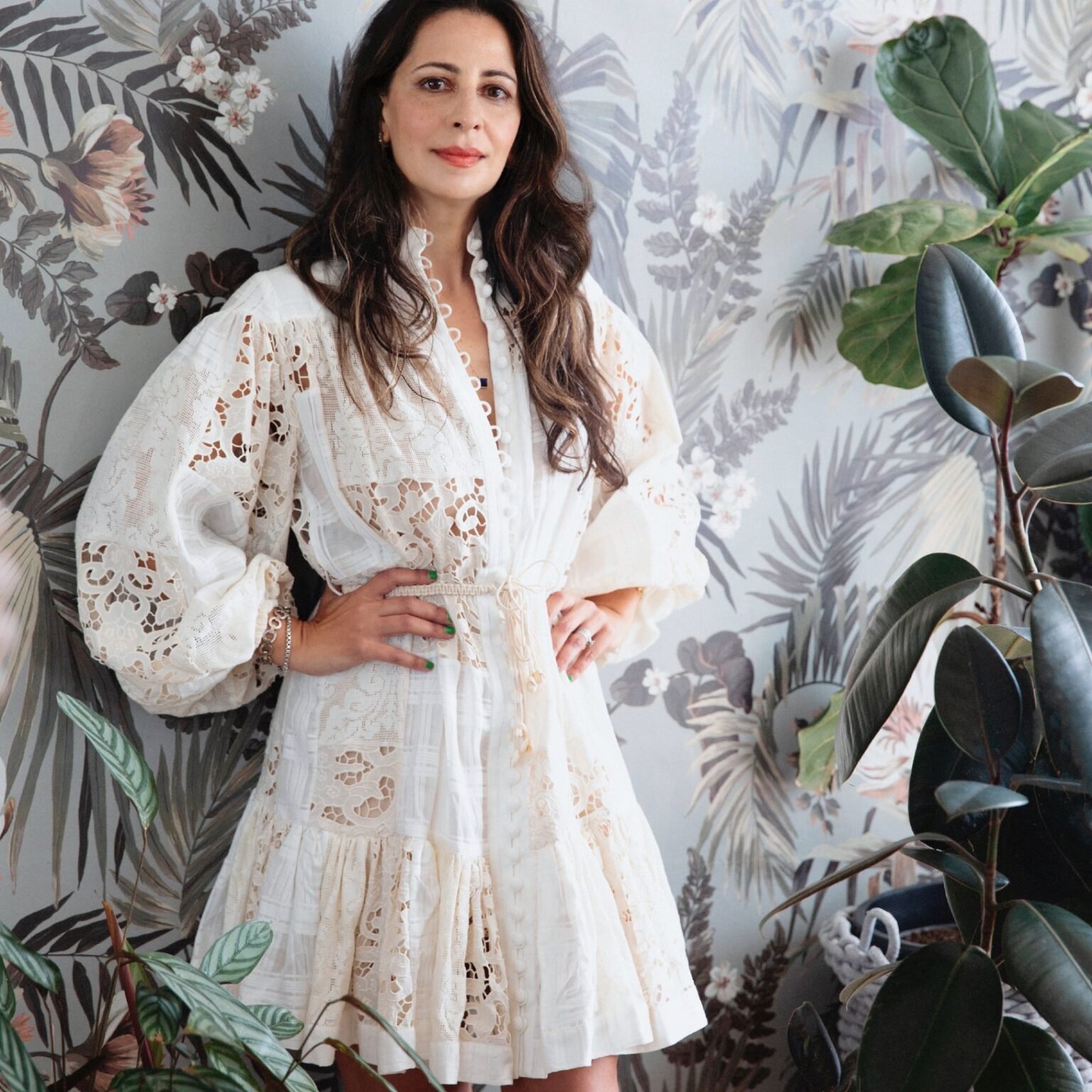
Image: Silvana Azzi Heras
Silvana Azzi Heras is a creative tour de force whose career spans the worlds of film, theatre, and homewares, each medium serving as a canvas for her rich storytelling and bold design vision. From her work on iconic films like Moulin Rouge! and The Great Gatsby to launching her own brand, House of Heras, Silvana has mastered the art of weaving history, nature, and tradition into layered, expressive designs that resonate deeply with audiences.
We spoke to Silvana about her experiences in costume and production design and how they have shaped her approach to interiors and textiles. Read on for some beautiful insights into the enduring power of storytelling in design.
Silvana, your design career has spanned film, theatre, and now homewares. How do you approach storytelling across such diverse creative mediums?
Storytelling has always been at the heart of my work, whether I’m designing for film, theatre, or interiors. Each medium offers a different canvas, but the core intention remains the same: to create atmosphere, emotion, and connection through design.
Image: House of Heras
House of Heras celebrates heritage, travel, native flora and fauna, and the Arts and Crafts movement. What draws you to these themes, and how do they shape your design process?
At House of Heras, we’re inspired by stories – found in history, travel, heritage, and the natural world around us. Australia’s native flora and fauna, with their wild textures and colours, are unlike anything else and constantly spark new ideas.
The Arts and Crafts movement brings it all together. Its bold use of pattern, scale, and colour, along with its focus on craftsmanship and everyday beauty, deeply resonates with our philosophy. Artists like William Morris, Lucien Henry, and Josef Frank feel like kindred spirits – we see the world through a similar lens.
Our design process is about weaving together history, nature, and tradition to create something layered, expressive, and enduring – storytelling through pattern and form.
You’ve worked on iconic films like Moulin Rouge! and The Great Gatsby. How has your experience in costume and production design influenced your approach to interiors and textiles?
Working on Moulin Rouge! and The Great Gatsby gave me a deep appreciation for layering the old with the new. Both films were rich in detail and set in very different periods, but what they shared was a bold, emotional use of fabric, pattern, and space to tell a story. That experience shaped how I approach interiors and textiles today—through storytelling, texture, and character. It’s about creating mood through detail and contrast. Baz and CM have a brilliant way of reinterpreting history – like making Shakespeare feel modern and relevant in Romeo + Juliet – and that’s something I try to bring into my own work: honouring the past while speaking to the present.
Image: House of Heras
Your designs are known for their rich layers and symbolism. What’s your advice for incorporating storytelling and theatricality into everyday spaces without overwhelming them?
Start by understanding the purpose of the space; how it will be used and how you want it to feel. That becomes the foundation for the story you’re telling. From there, build layers thoughtfully: consider mood, colour, texture, and detail. Theatricality doesn’t have to mean excess – it’s about creating moments that evoke emotion. And always, form must follow function. A space can be expressive and dramatic, but it still needs to work for everyday life.
Image: House of Heras
Launching your own brand, House of Heras, must have been a significant milestone. What inspired you to take this step, and how has the journey been so far?
Launching House of Heras was a pivotal moment. I was living in New York, working with Baz and CM on The Get Down, with a four-year-old and pregnant with my second child. As much as I loved the work, I realised I needed to be closer to family – especially my mother – and that raising children in NYC wasn’t sustainable for us.
Stepping away wasn’t easy, but it felt necessary. I wanted to continue growing creatively on my own terms. As CM once said to me, I had to learn to fly on my own – and House of Heras became that flight.
You’ve collaborated with major brands like Emirates, CB2, Faena and Designer Rugs. How do you balance your creative vision with the commercial needs of these partnerships?
Design is about solving problems. When you present options that you’re proud of and aligned with, the collaboration flows naturally. Finding shared vision is key to success. Working with CB2 since 2019, I’ve learned to focus on my strengths, and each season’s brief becomes clearer and more interesting. Stay tuned for the House of Heras x CB2 Christmas collection coming this year!
Can you share a project that felt particularly meaningful or challenging, and what you learned from it?
Working on Elvis as the Costume Design Consultant during COVID was especially challenging. The production was in the Gold Coast while I was based in Sydney, so everything had to happen over Zoom – sometimes multiple times a day with CM. It’s not my ideal way to work, but we made it happen, and I’m proud of what we achieved.
Another meaningful project has been designing the rugs for the Faena Hotel in New York. It felt like a full-circle moment, having worked on the first Faena in Miami with Bazmark. This time, it was a chance for House of Heras to truly shine. I’ve been working on it for three years, and with the hotel opening this August, it’s incredibly rewarding to see it all come to life.
This article first appeared for Decor + Design Melbourne.