
Superstylin’ Secrets: Kerrie-Ann Jones
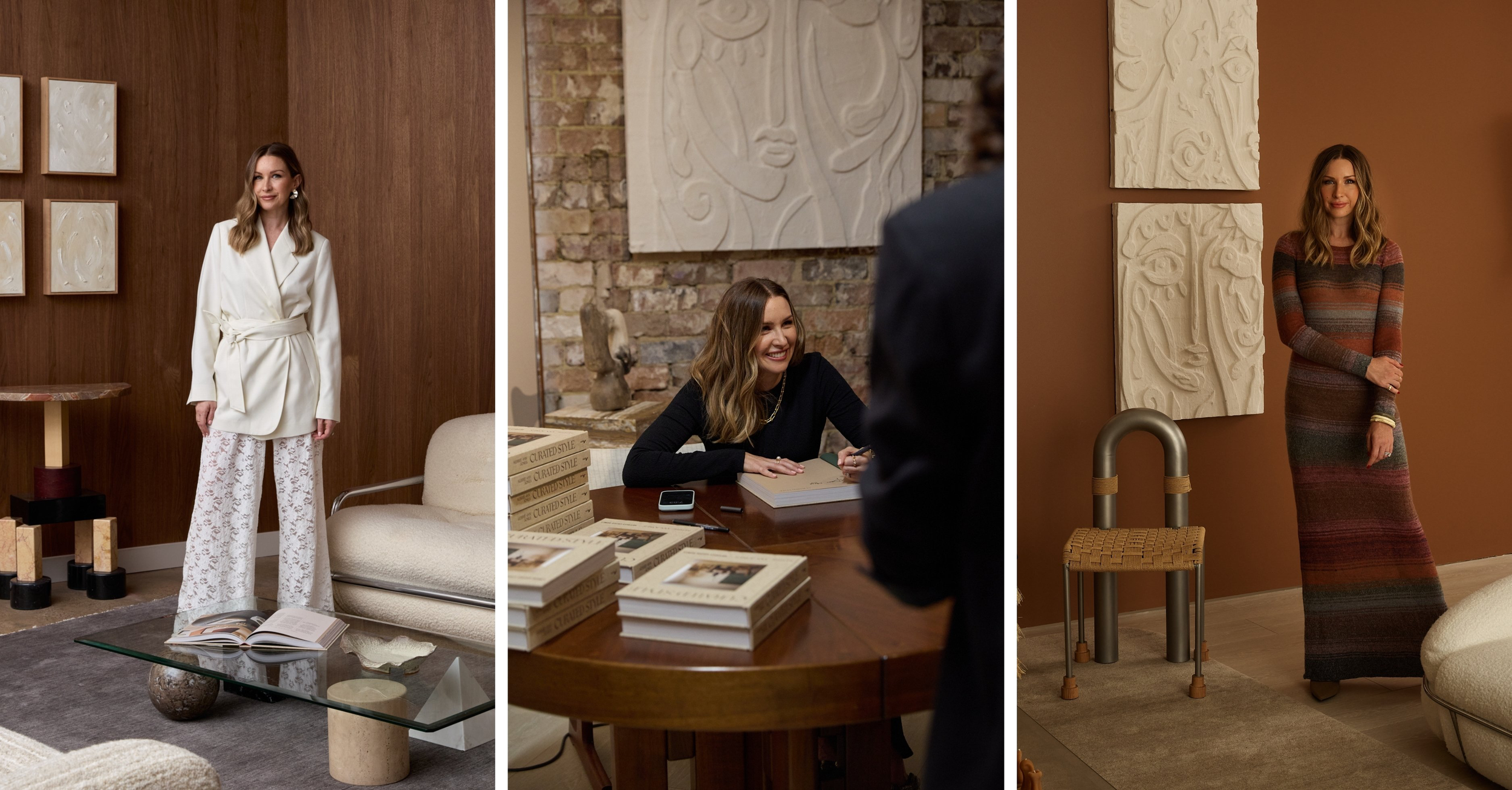
Kerrie-Ann Jones
Sydney ‘Super Stylist’ Kerrie-Ann Jones knows all the insider secrets! Read on for some beautiful insights into her personal style, her career, curation and inspirations.
Kerrie-Ann, your signature style beautifully marries iconic vintage pieces with contemporary design. Can you walk us through your process of sourcing and selecting vintage furniture for your gallery? What criteria must a piece meet before it earns a place in your curated collection?
Every piece I source must have something to say. I’m not interested in filling a space with “old” furniture for the sake of it. I’m looking for sculptural or statement pieces with unique proportions, quality craftsmanship and a timeless sensibility that allows them to sit comfortably in a contemporary home.
I spend a lot of time researching designers, makers and periods, but I also trust my instinct. Often it’s the pieces with a sculptural silhouette, a beautiful timber grain or an unexpected detail that catch my eye. Condition is important too, I opt for pieces that are in good-excellent condition so I am not passing on the cost of restoration to the customer. I love furniture that shows its history, but it still needs to function beautifully for modern living.
When I’m curating the gallery, I think less about individual pieces and more about how they’ll live alongside contemporary art, lighting and furniture. The goal is always to create interiors that feel layered and collected over time, rather than decorated all at once.
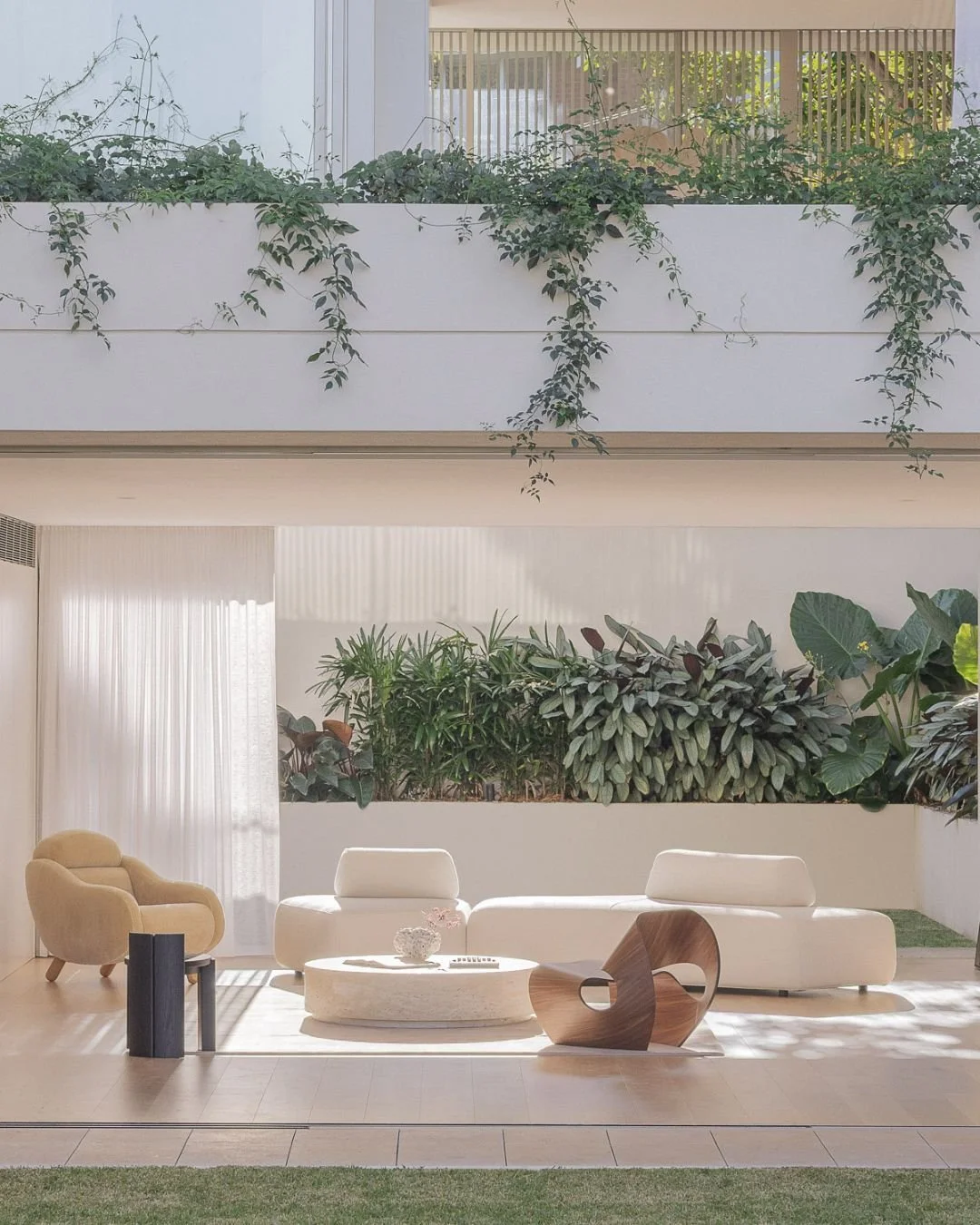
Architecture ESS. Photography by Rob Wood
You’ve built an impressive career spanning editorial styling and interior design. How has your work as a stylist for publications influenced your approach to residential interior design, and what key lessons have you learned from moving between these different creative spaces?
Editorial styling gave me the confidence to think without constraints. In an editorial shoot, you’re creating a visual story, and there are very few limits. If an artwork isn’t the right height, it can be repositioned in post-production, so this freedom and flexibly has allowed me to always think about what is possible rather than working within constraints.
That mindset has stayed with me in my interior design work. I don’t begin a project by thinking about what’s difficult or impossible, I start by imagining the best possible outcome for the space. I push the design as far as I can creatively, and then I work collaboratively with my team, builders and trades to refine those ideas into something that’s both beautiful and practical.
Editorial styling also taught me the importance of editing. Every element needs a purpose, and the most successful interiors aren’t necessarily the ones with the most pieces, they’re the ones where every decision has been carefully considered. That balance between bold creative thinking and thoughtful editing is something I bring to every project.
How do you navigate the balance between imposing your expert aesthetic vision and honouring a client’s individual personality and lifestyle needs?
I don’t think of it as a balance between two competing forces, I think the best version of my vision is one that’s built entirely around the client. My job isn’t to impose a signature look, it’s to translate how someone actually lives, what makes them feel comfortable, and what they’re drawn to, into spaces that function beautifully and feel like them.
That said, clients don’t always know how to articulate what they want, or they’re working from inspiration images that don’t quite fit their lifestyle. That’s where my expertise comes in – not as authority over their taste, but as a kind of translation service.
I’d like to think my aesthetic point of view shapes how I solve problems, but the client’s life is the brief.
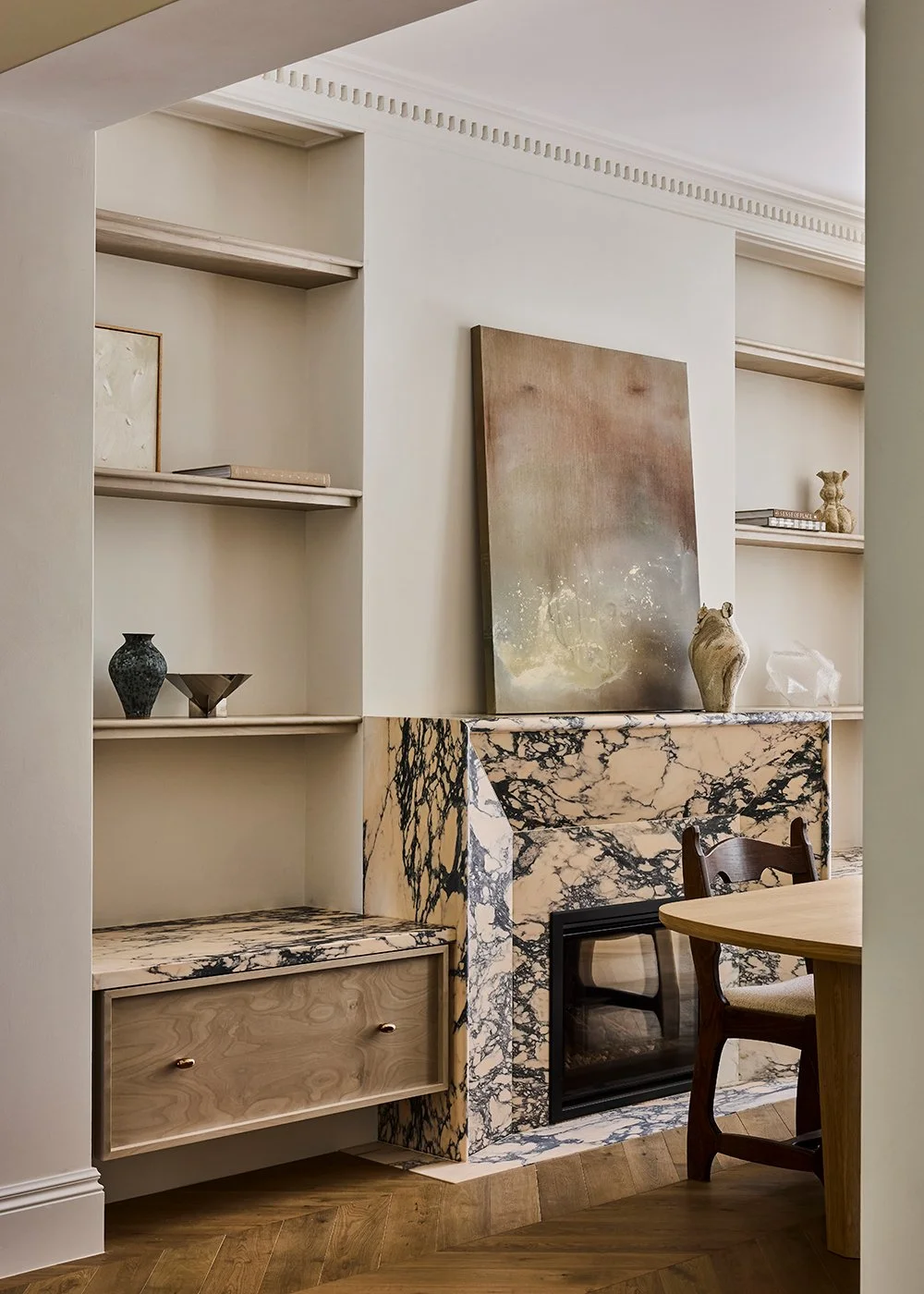
ID Tom Mark Henry. Photo by Pablo Veiga
Which interior designers (alive or dead) do you admire?
There are so many designers whose work I admire, but the one I probably resonate with most is Kelly Wearstler. I love the way she layers vintage and contemporary pieces, mixes materials with confidence, and creates interiors that feel deeply personal rather than formulaic. There’s a boldness to her work, but it always feels considered.
I’m also continually inspired by Tiffany Howell of Night Palm in Los Angeles. Her spaces have a warmth and edge that I really connect with.
Another designer whose work I admire is Vincenzo De Cotiis. His use of raw materials, patina and sculptural forms blurs the line between furniture, art and architecture. His work has an emotional quality that I find incredibly inspiring.
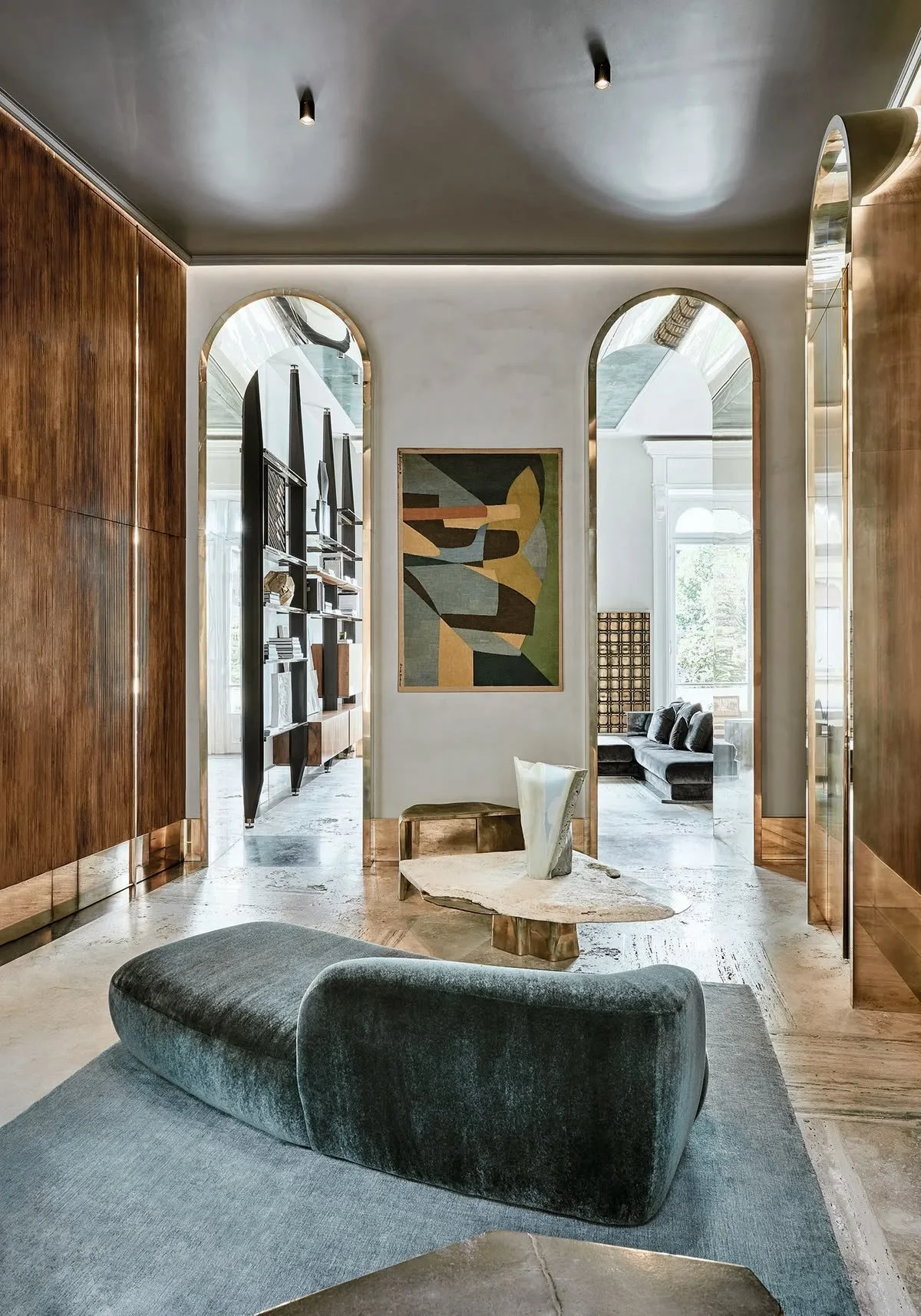
Image: Vincenzo de Cotiis
When I look at all of these designers, the common thread isn’t a particular style. It’s that they create interiors with soul. Their work feels collected, layered and authentic, and that’s something I always aspire to in my own projects.
This article was originally published on www.decordesignshow.com.au